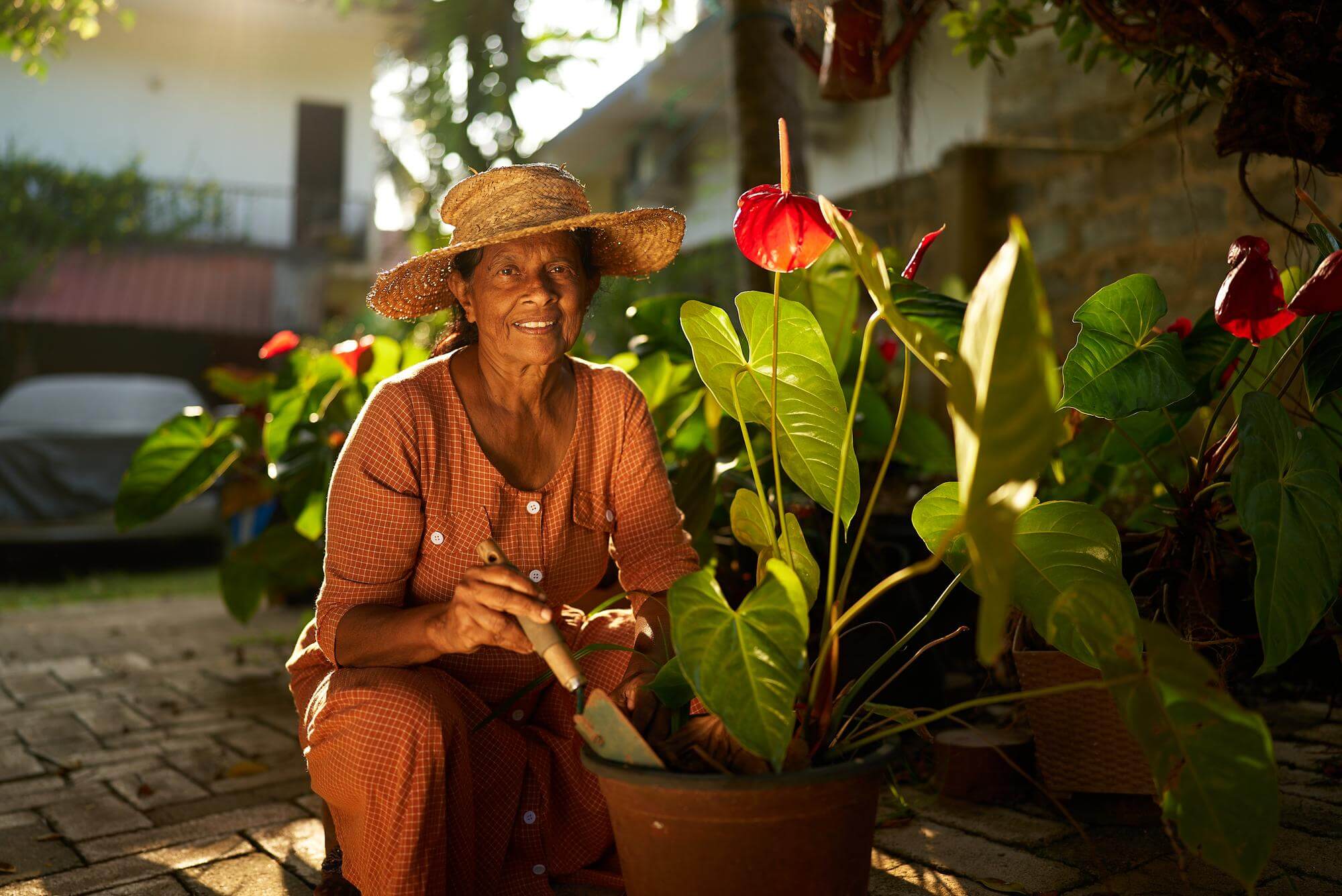
We should expect to endure hardship—and not lose hope. When you look at how the body and brain are designed, you see that we were made to grow through challenges, not to avoid them.
In my devotional this morning, I was struck by a simple and unpleasant truth: we should expect to endure hardship. Actually, we are called to endure hardship and to not lose hope.
I meditated on that idea for quite a while—not just the spiritual side of it, but also the physiological side of us. Because when you look at how the body and brain are designed, you begin to see something remarkable: God actually created us to grow through challenges.
We were not meant to avoid troubles. We are not supposed to numb our emotional pain. It is actually not good for us to live a life free from struggle.
We Are Designed to Grow Through Challenges
We are literally designed to move through difficulty and come out stronger on the other side!
Our Bodies Are Built for Renewal and Recovery
Think about what happens when your body encounters a virus or injury. First, there’s an inflammatory response. The body mobilizes energy and systems activate. There may be discomfort, fatigue, even pain. But this response is not a failure—it’s intelligent.
And then the nervous system shifts gears. The parasympathetic system comes online. Healing processes begin. Balance is restored and homeostasis returns.
Your body knows how to respond to stress and how to recover from it. This rhythm—activation followed by restoration—is built into us. And it occurred to me this morning that this process mirrors something deeply spiritual: suffering is not the end of the story.
We Are Designed to Grow Mentally, Too
There is a part of the brain called the anterior mid-cingulate cortex (aMCC). This area is associated with willpower and perseverance, emotional regulation, the ability to manage stress, mental and emotional stability, and long-term cognitive resilience.
Can you guess what strengthens this part of the brain? Deliberate engagement in challenging tasks. Not comfort. Not ease. Not doing only what feels good. Growth happens when we do things that require effort, discipline, and courage.
Activities we enjoy are valuable—they bring joy, creativity, and restoration—but they don’t build this specific kind of resilience. The aMCC grows when we stay engaged through difficulty instead of opting out or dissociating.
Our Culture Has an Obsession With Comfort
Somewhere along the way, we began believing that the goal of life was to be comfortable. No stress, minimal discomfort, and little resistance means we have succeeded. But Scripture, science, and lived experience all tell a different story.
Life will include hardship, and bodies will experience stress. Relationships will stretch us. Growth will always require effort. This isn’t a flaw in the design. It is the design.
If we expect a life without challenge, we will constantly feel disappointed and overwhelmed. But when we accept that difficulty is part of our formation—that we are meant to grow through challenges—something shifts. We stop asking, “Why is this happening to me?” and begin asking, “How is this shaping me?”
Growth Does Not Require Chaos
Here is another fact that we need to keep in mind: growth does not require chaos. We are not meant to white-knuckle our way through life.
To grow through challenges, we must stay regulated. This means learning how to come back to calm again and again. How do we do that? Through prayer, meditation, breath training, stillness, and connection with others. You do not have to do all of them every day. But you should do them regularly.
These practices help the nervous system settle so that challenge doesn’t become trauma. Regulation allows stress to strengthen us instead of breaking us down. When we are regulated, we can meet difficulty with clarity instead of panic.
Knowing Yourself Is a Huge Part of It
One of the most overlooked pieces of growth is self-knowledge. Many people don’t actually know what helps them thrive. They haven’t paused long enough to ask questions like: “What brings me life?” “What drains me?” “What helps me feel grounded?” “What makes me feel overwhelmed?”
God created you uniquely. Learning what supports your nervous system, your spirit, and your energy is not selfish—it’s wise stewardship, and it is what makes it possible to grow through challenges rather than be worn down by them. Start small and be intentional. Create space in your life for the things that restore you.
At the Heart of It All Is Relationship
We were not created to carry life alone. Spend five to ten minutes with your Creator. Ask questions, confess what is heavy, name your fears, and then just sit. Be still. Be quiet. Just be.
There is deep strength in allowing yourself to lean—on God and on others. We were created for connection, for dependence, for trust.
Learning—Not Comfort—Is How We Grow Through Challenges
I have touched on a lot of things in this post, but the one thing I feel passionately about sharing is this: you are capable of more than you realize. Life is not meant to be comfortable, so learning should be the goal—not comfort.
Learning is how we grow into who we are becoming. When we release the expectation that life should be easy, we begin to see challenges not as obstacles, but as opportunities to develop strength, wisdom, and faith.
This shift becomes possible when we trust that we can stay present through trials—and presence begins with awareness of the breath. “Show me how you breathe, and I will tell you who you are,” someone once said, and there is deep truth in that. Your breathing shapes your nervous system, your perception, and the way you meet the world.
Are you bracing, holding, and surviving—feeling like a victim of circumstances, riding the waves wherever they take you? Or are you breathing in a way that allows you to see the larger picture, grounded in faith, confident that while trials will come, you are capable of meeting them with steadiness and hope?
When your breath is calm and intentional, your body and mind align, and you begin to live from a place of being rather than constantly doing—trusting that your small part in the greater story matters, and that growth is unfolding even here.
“Count it all joy, my brothers, when you meet trials of various kinds, for you know that the testing of your faith produces steadfastness. And let steadfastness have its full effect, that you may be perfect and complete, lacking in nothing.” —James 1:2–4 (ESV)
If you would like help learning to stay regulated and present through life’s challenges, book a free consultation and we will start there.