
We praise productivity and feel guilty the moment we sit still. Here is why chronic busyness makes it so hard to trust your body — and how slowing your breath can rebuild that trust from the inside out.
We live in a world that praises productivity, busyness, and getting things done. For many of us, our worth quietly becomes attached to how much we accomplish and how efficiently we move through our days. When we finally pause — on a day off, a free evening, a quiet moment — we feel guilty for sitting still. Rest feels wrong. Slowing down feels uncomfortable. And silence feels unfamiliar.
I lived like this when my kids were young and my attention was being pulled in several directions at once. I wish someone had told me then what I am saying to you now, so please listen:
Your body was not designed to live at the speed you’re moving.
Why the busiest people are often the least content
What I’ve seen again and again in clients who struggle with anxiety, exhaustion, and sleeplessness is this: the people who stay the busiest are often the least content. Not because they’re doing anything wrong, but because the nervous system cannot thrive in a constant state of “go.”
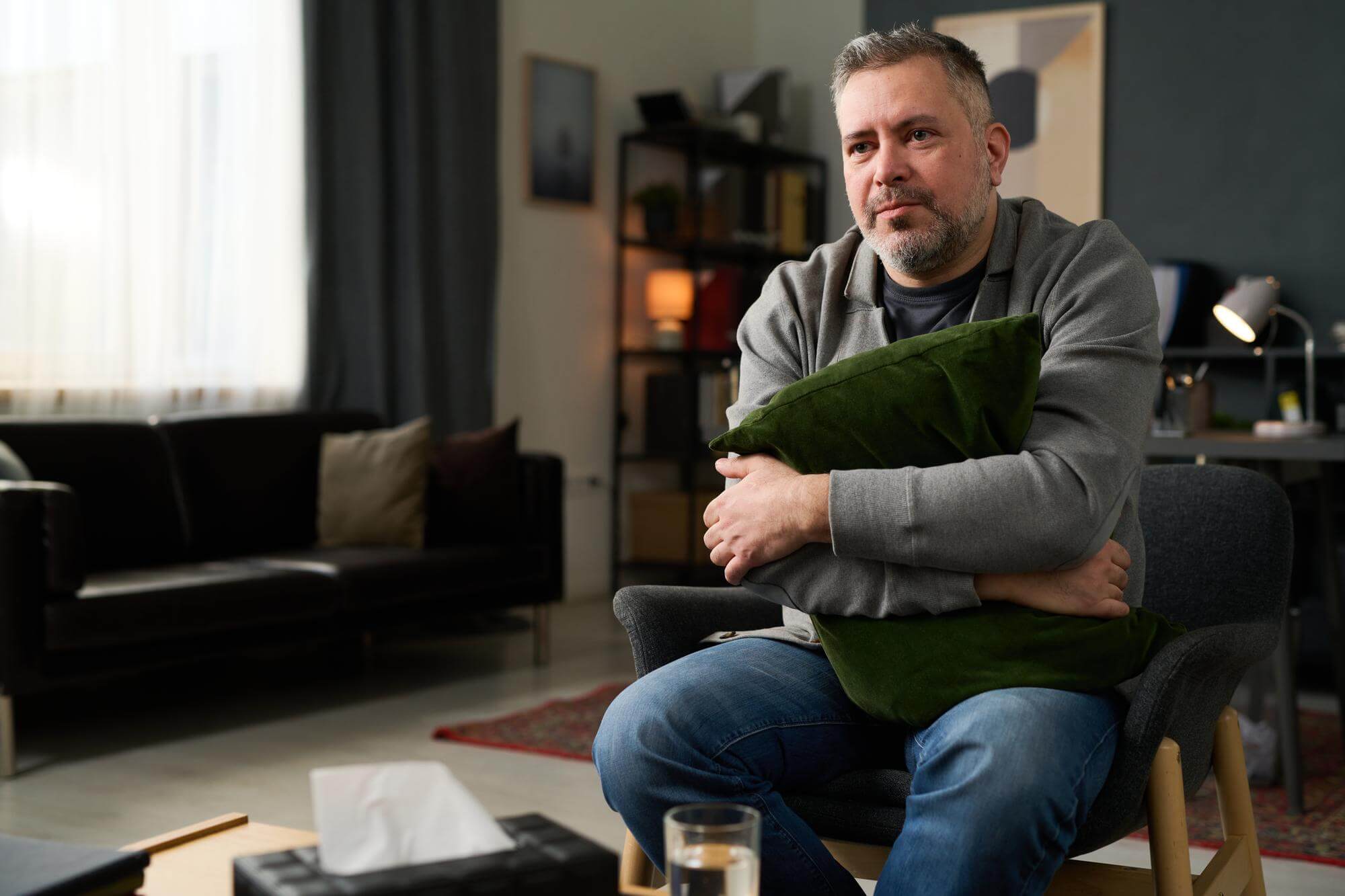
When we push ourselves endlessly — working, producing, learning, consuming information — we stop feeling. We disconnect from sensations, emotions, intuition, and even the gentle whispers God places on our heart. The body, overwhelmed and unheard, eventually stops sending clear signals. We become numb. We become confused. We stop trusting our body because we’re no longer listening to it.
Why slowing down feels so foreign
Stillness is uncomfortable when you haven’t practiced it. Quiet feels threatening when noise has been your safety. Doing nothing feels wrong when “doing everything” has been your identity.
Physiologically, when we push through emotions and ignore sensations, we train the nervous system to overlook its own signals. Psychologically, we learn to distrust anything we can’t immediately control or fix.
Your body begins to whisper, “Something feels off.” But your mind, conditioned to stay busy, answers, “I don’t have time for that.” This disconnect creates internal tension, resentment toward your own feelings, and a deep mistrust of your own intuition. No wonder it is hard to trust your body.
You can learn to trust your body again
And it starts with your breath. Breathing is deeply tied to the nervous system. When you slow your breath down, expand your ribcage, and breathe gently through your nose, your body sends a new message to your brain: “We are safe enough to slow down now.”
At first, this will feel strange. The brain resists what is unfamiliar, even if it’s healthy. But with daily slow breathing practices — what I call breathing prescriptions — your physiology begins to soften. The body re-learns homeostasis. Calm becomes more familiar than chaos.
What it feels like to trust your body again
Once calm becomes familiar, stillness is no longer threatening. You start to feel again — accurately, gently, compassionately. You reconnect with yourself, your Creator, and the people who matter most. You feel present in your own skin.
This is how trust is rebuilt: to be known instead of constantly knowing. To feel instead of dissociating. To live from a place of safety rather than survival.
Slow down. Breathe differently. Trust your body. Let it remember you again. This is the work, and it is a beautiful journey that I am encouraging you to take.
If you are ready to slow down and learn to trust your body again, book a free consultation and we will build a breathing prescription that fits your life.