
Summer promises rest but keeps pulling us toward more. Here’s why slowing down to one thing at a time is real nervous-system care—and a few small experiments to try this season.
Every summer I tell myself this is the one where I finally ease up. Longer days, a lighter schedule, a porch that practically begs me to sit on it. And then, somehow, the calendar fills faster than it did in the dead of winter. Slowing down, it turns out, is not something summer hands you. It is something you practice, and the simplest version I know is doing one thing at a time. This post is about why that matters to your nervous system, why it feels so hard, and a few small experiments you can run between now and the first cool morning of fall.
Why summer pulls us toward more
Summer has a funny double message. On one hand, it promises rest: vacations, slower mornings, evenings that stretch on. On the other, it whispers that you should be making the most of it. Every weekend needs a plan. Every sunny day feels like one you can’t waste. The kids are home, the garden needs weeding, the cooler needs packing, and somewhere in there you were going to read that book.
What I notice in myself, and in most of the people I work with, is that “making the most of it” quietly turns into doing several things at once. We answer texts at the pool. We plan dinner while driving to the lake. We scroll through someone else’s vacation while sitting in the middle of our own. Slowing down was the plan, and the opposite happened. None of that is a moral failing. It is just what a busy mind does when it is handed a little freedom: it fills the space.
What juggling does inside your body
Here is the part I wish more people knew. Your brain doesn’t really multitask; it switches. Fast, repeated switching is something your nervous system registers as low-grade urgency, even when the tasks themselves are pleasant. You can feel this if you pay attention: the breath creeps up into the chest and shortens, the shoulders inch toward the ears, the jaw tightens a little. Your body is reading the pace, not the content, and the pace says “keep up.”
That is why a day full of fun can leave you oddly wrung out. The physiology of rushing is the same whether you are rushing through chores or rushing through a beach day. The exhale gets clipped, and a clipped exhale is one of the clearest signals we send ourselves that it is not yet safe to settle.
Slowing down is nervous-system care, not laziness
I want to reframe something, because I hear the guilt in people’s voices when they talk about resting. Doing one thing at a time is not a luxury, and it is not a personality trait reserved for naturally calm people. It is care for the part of you that runs your heart rate, your digestion, your sleep, and your mood. When you give your attention to a single thing, the breath has room to lengthen on its own. When the breath lengthens, especially the exhale, the vagus nerve gets the message that the emergency is over, and the whole system can downshift.
Monotasking, in other words, is a breath practice you can do with your eyes open in the middle of an ordinary day. It is the same settling you would get from sitting down for a few minutes of guided breath training, just delivered through a dish, a walk, or a conversation.
The one-thing minute: pick something you are already about to do, like watering plants, drinking coffee, or walking to the mailbox. Before you start, let one exhale fall out slowly through the nose. Then do that one thing, and only that thing, until it is finished. When your mind drifts (it will), notice it, let out another long exhale, and come back. That is the whole practice.
A few summer experiments in slowing down
You do not need to overhaul your summer. Pick one of these and try it for a week. Notice what changes in your body, not just on your to-do list.
- Eat one meal with nothing else. No phone, no show, no catching up on email. Taste it. Notice how your breath behaves when you are not hurrying toward the next thing.
- Drive one trip in silence. Windows down if you can. No podcast, no call. Let the drive be the drive.
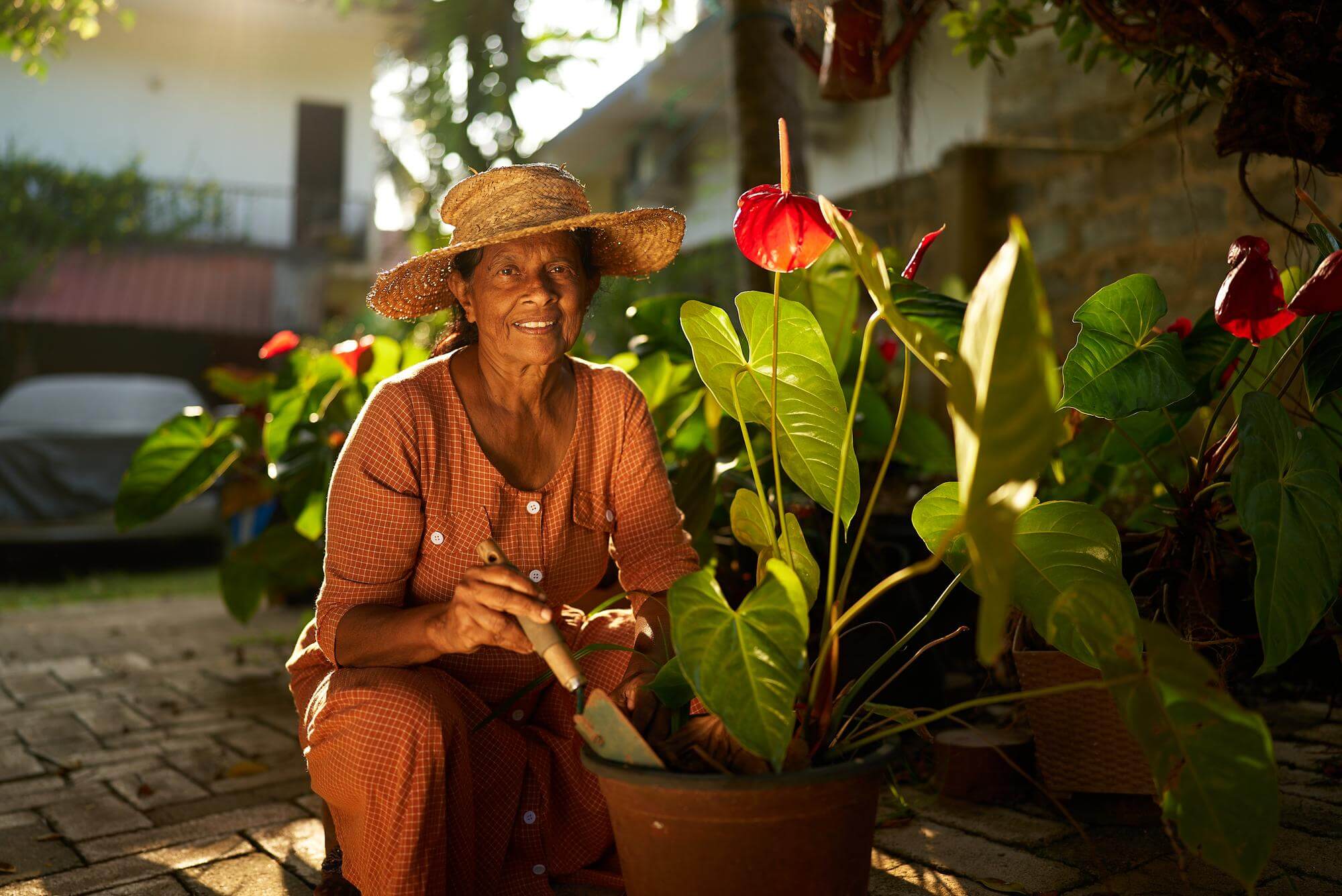
- Do one chore slowly on purpose. Folding laundry, washing the car, deadheading flowers. Let your exhale set the pace instead of the clock.
- Have one conversation where you only listen. No checking your phone, no mentally rehearsing your reply. Just the person in front of you.
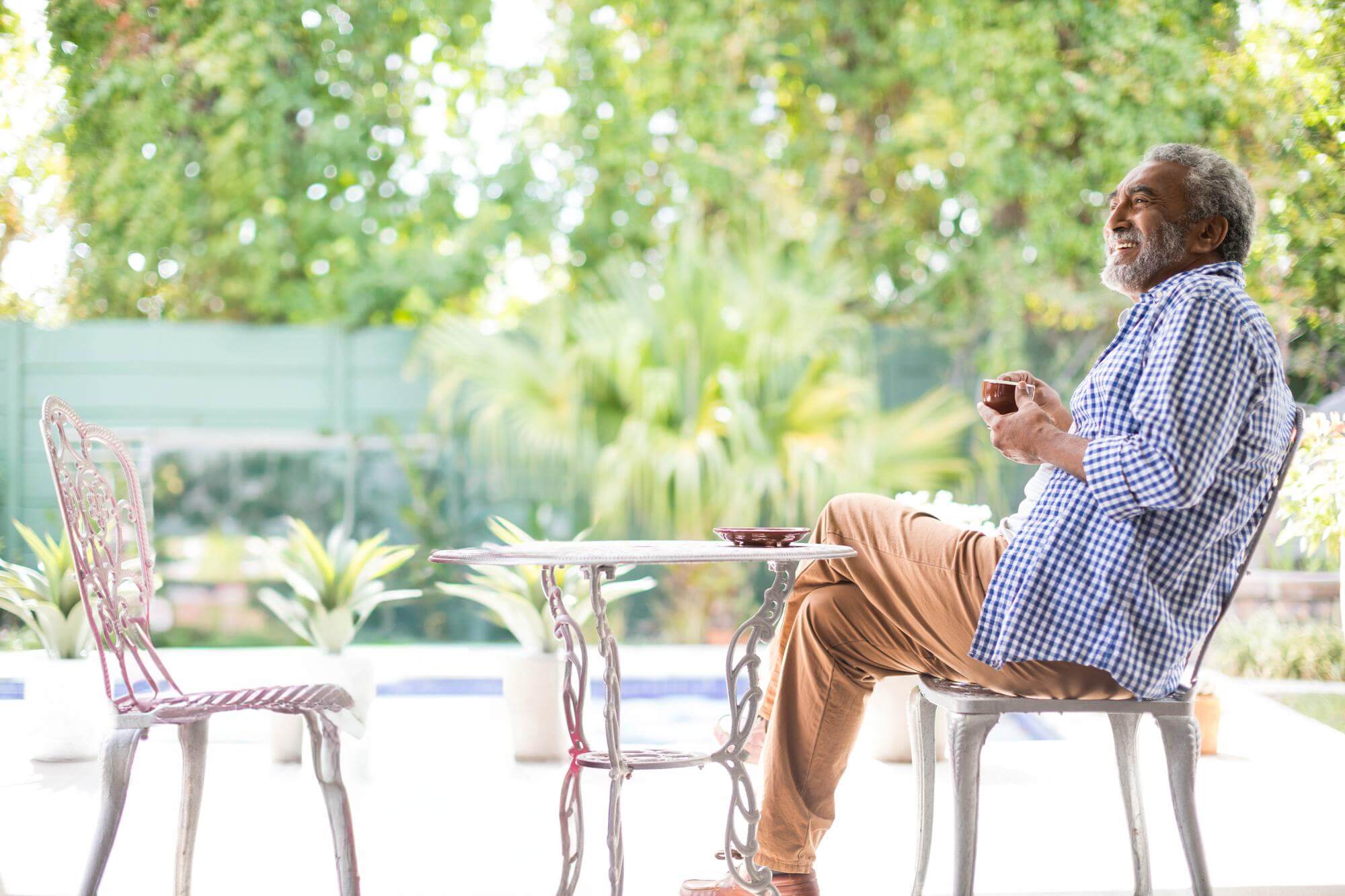
- Sit outside for five minutes with no agenda. Not to read, not to plan, not to fix anything. Just sit, breathe through your nose, and let summer do what it is good at.
These sound almost too small to matter, and that is exactly why they work. Your nervous system learns from repetition, not from grand gestures. Five small experiences of “I did one thing and nothing bad happened” teach it more than one ambitious retreat ever could.
When slowing down feels impossible
Some of you are reading this and thinking, “Lottie, I cannot just sit on the porch. I have kids and a job and a parent who needs rides to appointments.” I hear you, and I am not asking you to clear your schedule. I am asking you to change how you move through it. One thing at a time can happen while you load the dishwasher. It is about attention, not free time.
And if stillness itself makes you twitchy, that is information, not failure. Many of us have lived at a fast pace for so long that a slow one registers as unsafe. I wrote about that in slowing down when stillness feels hard, and the short version is this: start with motion. A slow walk where you match your steps to a long exhale counts. Your mind will keep trying to time-travel to tomorrow’s list. Let it come back. Again and again. That returning is the practice.
Summer does not have to be a season you survive or a season you optimize. It can be the season you learn to do one thing at a time, and in doing so, teach your body what slowing down actually feels like. Not the idea of rest, but the real thing: a longer exhale, a softer jaw, a meal you actually tasted. Start with one experiment this week. That is more than enough.
If you’d like help building a slower rhythm that fits your real life, book a free consultation and we’ll find your one thing together.